
Niklas Busck
Head of Sales
INTERACTIVE VIDEO
What Is Conversational Video? Complete 2026 Guide
May 20268 min read
The "Choose Your Own Adventure" concept got popular in the 1980s through a book series, which provided readers with a unique and engaging reading experience. This interactive storytelling method draws readers into the narrative by allowing them to make choices that impact the vital points. These choices may give readers a desired or undesired outcome, making the reading experience exciting and unpredictable. Because there are numerous branching pathways and endings, readers are able to return to the story at any moment to consider various options and see various plotlines develop.
Choose Your Own Adventure (CYOA) is an interactive video concept that lets viewers make decisions that affect the plot's course and resolution. These choices are displayed at critical moments in the video with clickable alternatives that split into other storylines.
YouTube interactive programs like A Heist with Markiplier and popular content like Netflix's Bandersnatch helped spread awareness of the idea. In both examples, endings and stories were different as viewers were asked to choose the character's next move.
Educators, producers, and brands use this format to increase personalization, engagement, and retention. Through interactive videos you can create product tutorials, training scenarios that mimic real-world situations, or instructional videos that incorporate active learning.
You should first create the framework of your interactive story before you write or record anything. Plan the goal first, for example, if you want to create a video for training, education, entertainment, or conversion?
Next, create a decision tree or flowchart that shows potential viewing paths. Think about:
Don't make things too complicated. The user may become overwhelmed by too many branches too soon. Instead of only producing surface-level modifications, each branch should produce significant results that represent the viewer's choices.
Writing a CYOA script entails a nonlinear approach. Each decision point should naturally emerge from the plot and result in distinct results. The script must maintain continuity across multiple narrative pathways.
Tips for Writing:
Scriptwriting tools such as Twine and branching templates in Google Docs can assist keep everything structured and avoid logical contradictions between scenes.
Several tools allow you to create dynamic, branching video experiences without having sophisticated coding skills:
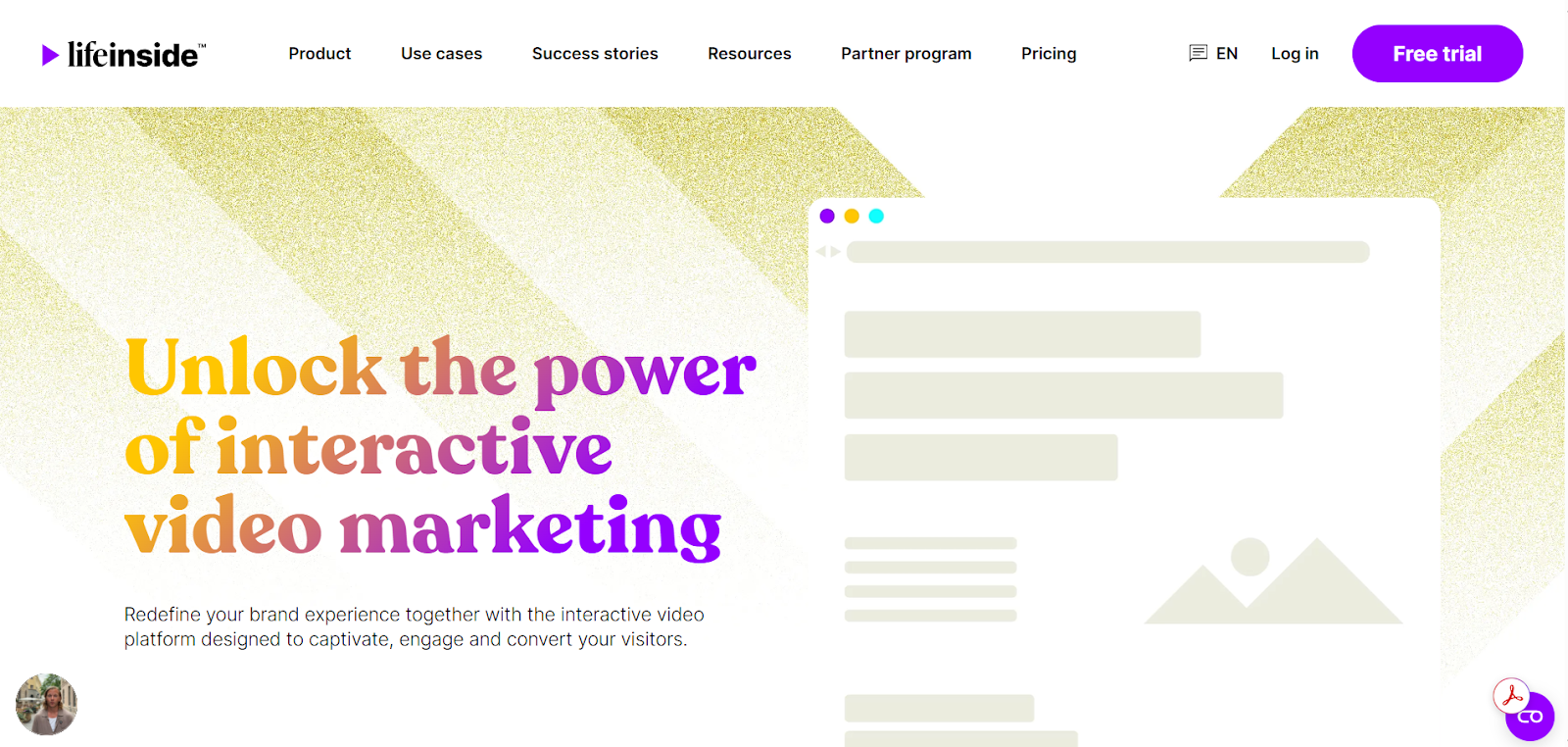
Life Inside, an interactive video platform, was created to make it simple for companies, organizations, and brands to produce, gather, and share entertaining CYOA videos across several channels. By providing funnels, customized CTAs, and comprehensive statistics in an incredibly user-friendly interface, it particularly shines in marketing, sales, recruitment, public sector outreach, and e-commerce.
Key Features:
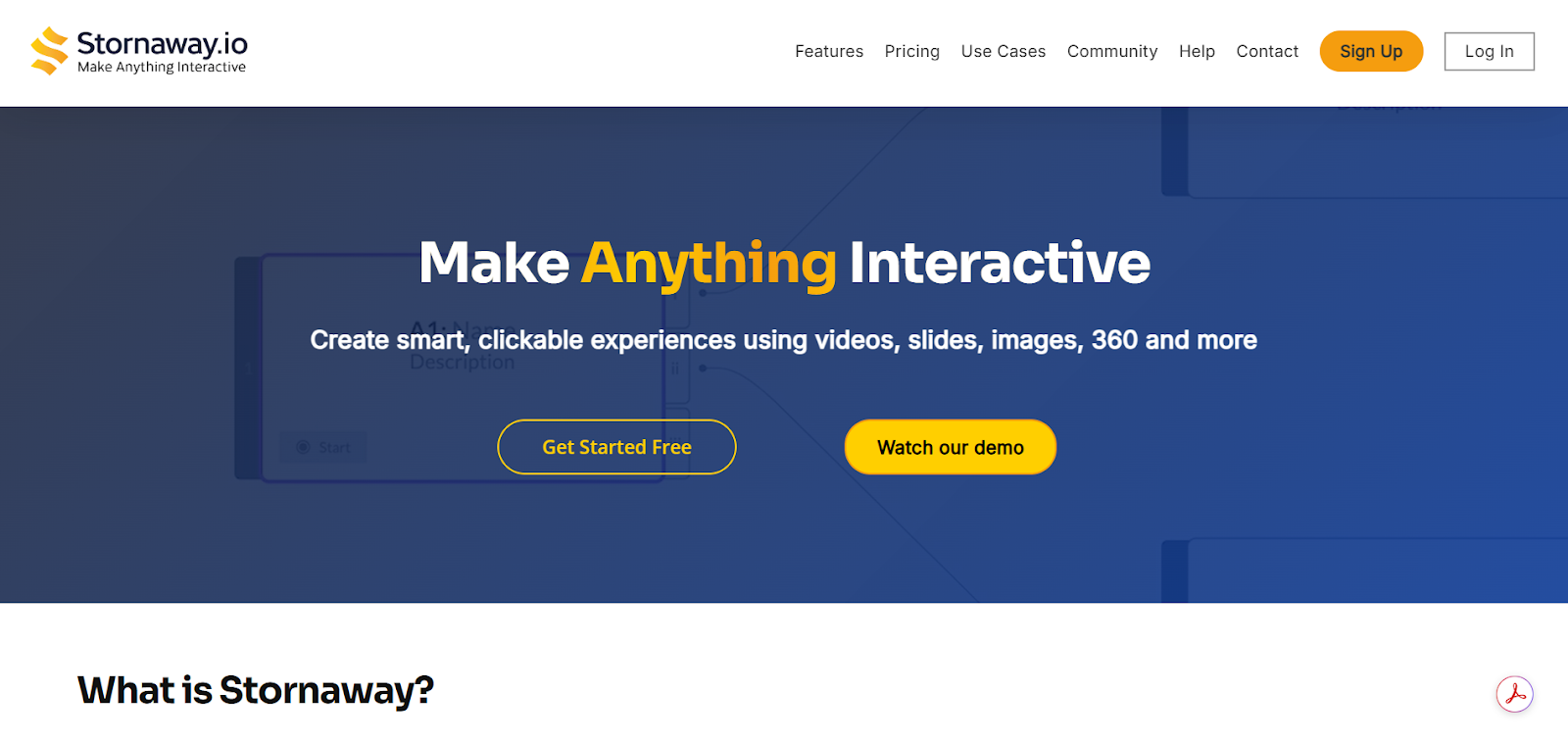
For storytellers, educators, and marketers, Stornaway.io is a no-code interactive video production tool that makes it simple to create branching tales for CYOA events.
Key Features:
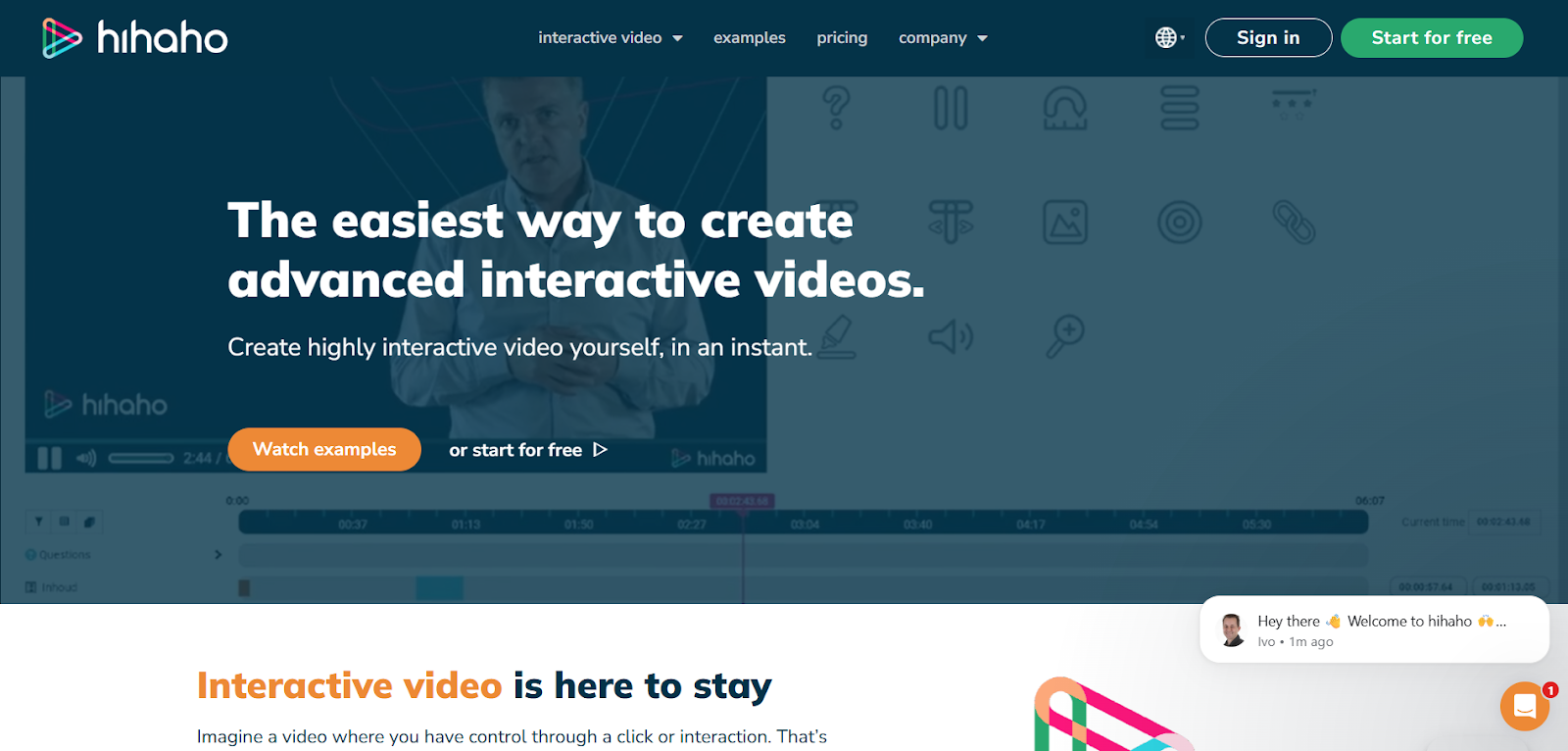
Hihaho is a flexible interactive video platform that allows users to add interactivity to pre-existing videos for marketing, corporate training, and educational applications.
Key Features:
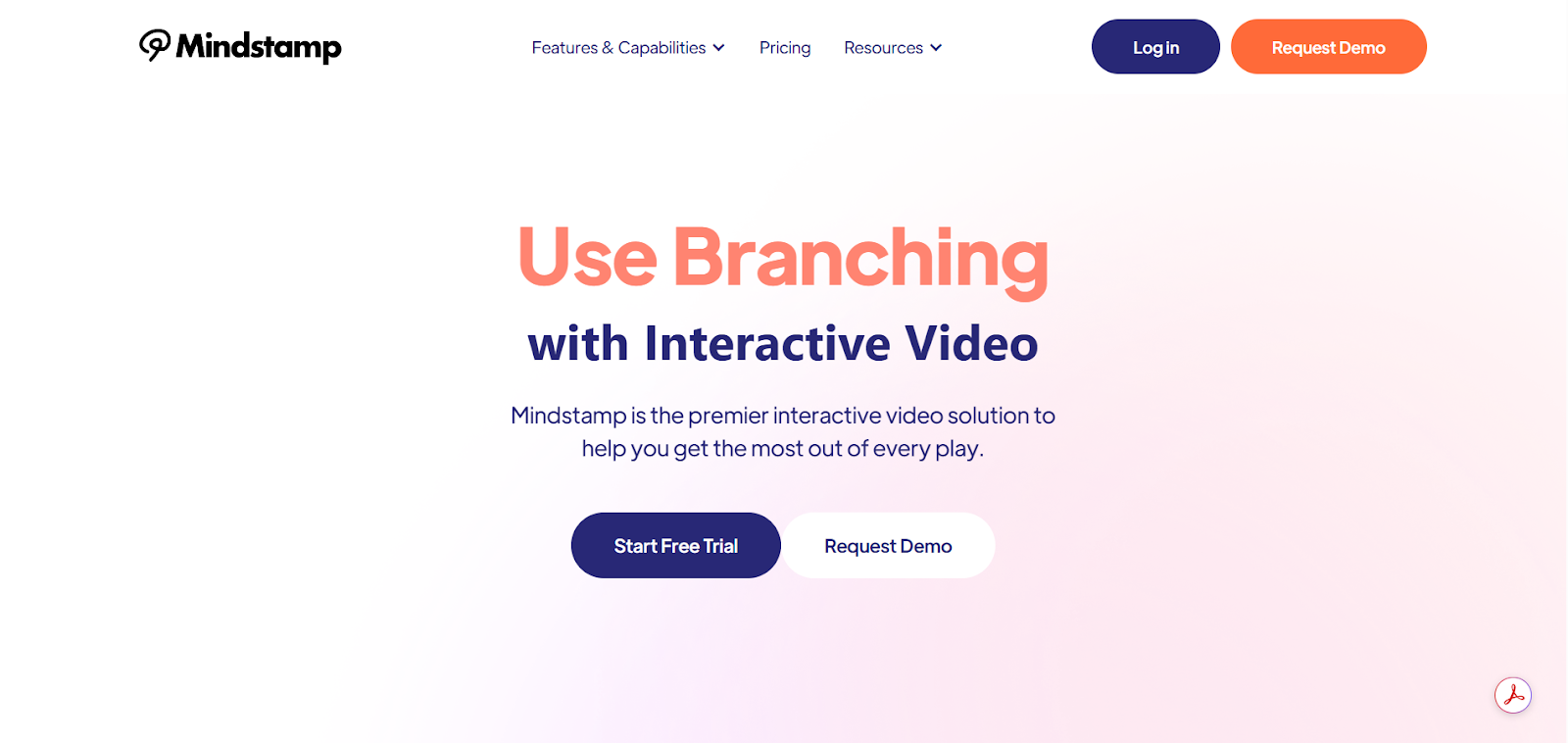
Mindstamp enables producers to incorporate interactive elements into any video, emphasizing high levels of engagement through feedback, bespoke paths, and questions. It is appropriate for customer onboarding, training, and sales.
Key Features:
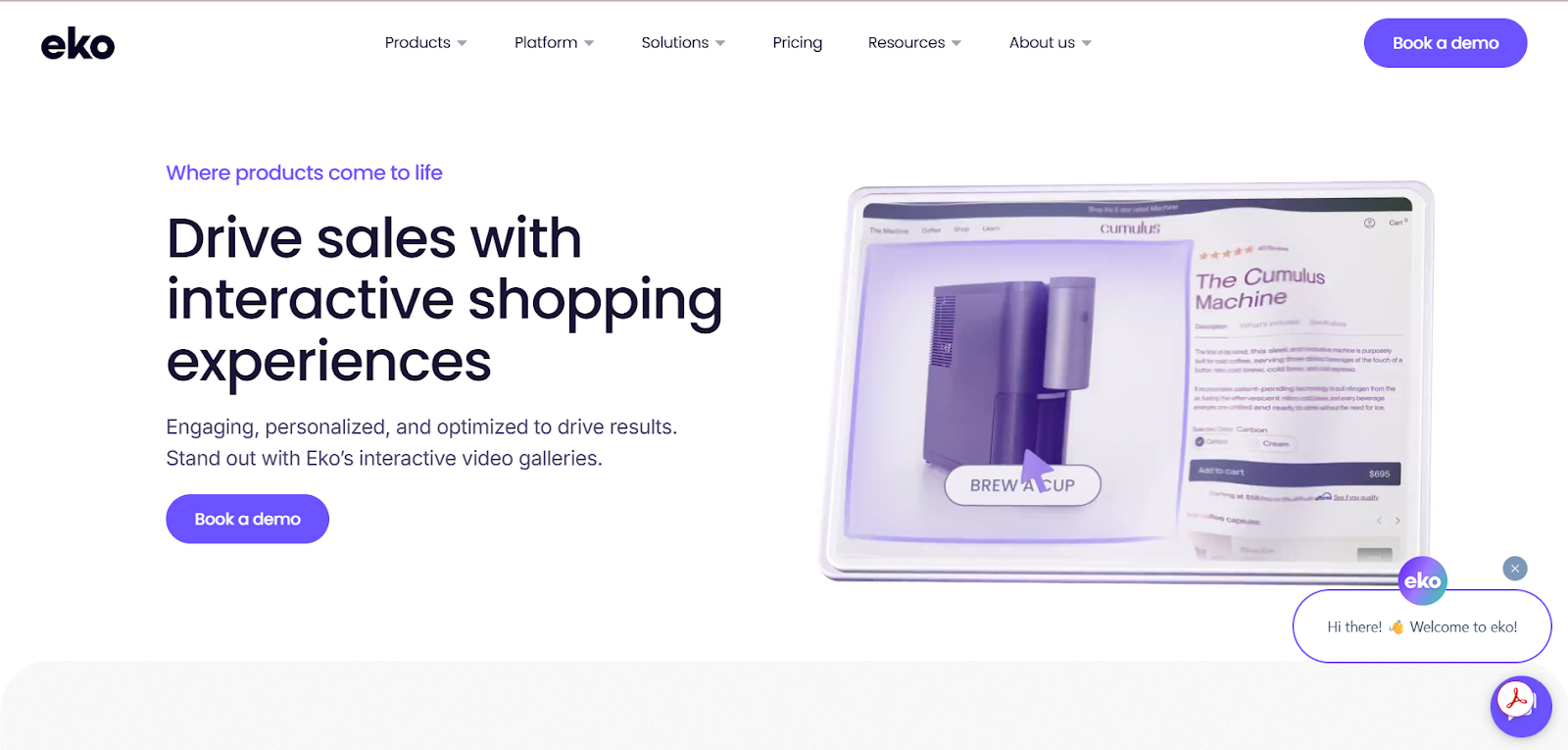
Eko is a marketing and entertainment-focused creative platform that provides resources for creating brand experiences and branching narratives that captivate audiences.
Key Features:
Compare the following features:
Producing a Choose Your Own Adventure video necessitates meticulous planning on set and in post-production. Even when the tale changes, each branch's lighting, tone, and performance must remain consistent.
Key tips:
Once your film is complete, you'll need to add interaction layers to let viewers navigate the plot.
Common interaction components:
Use them only when required. Each interaction should feel important and contribute to the story, rather than simply serving as a contrivance.
Mindstamp, Wirewax, and H5P enable you to drag & drop interactions straight onto video timelines. You can also use YouTube end screens or cards for simple branching, although the options are more limited.

Niklas Kekonius
Co-founder
“Choose-your-own-adventure videos are the purest expression of what interactive video can do — they put the viewer in control of the narrative. What I find most interesting is how much you learn about your audience from which paths they choose.”
The platform you pick will determine how you publish your interactive video. Some platforms provide private hosting, while others enable embedding in websites or LMS systems.
Platforms that support the CYOA format:
Make sure to test your movie on many devices as interactions don't always work the same on mobile as on desktop.
The first hook consists of your title and thumbnail. It is especially vital to communicate the experience up front when using interactive content.
Using Analytics to Track Viewer Behavior
Interactivity provides access to rich behavioral data beyond views and viewing time.
Key metrics to monitor:
Platforms such as Life Inside provide a visual analytics dashboard that displays viewer flow. This information helps to improve stories, eliminate dead ends, and create content paths, increasing conversions or engagement.
When you track the viewer behavior, you can improve performance, enhance future scripts, test hypotheses, and fine-tune your storytelling.
You might feel thrilled to create Choose Your Own Adventure (CYOA) videos, but a few mistakes need to be avoided.
Avoid the following common mistakes:
Here are a few noteworthy examples that demonstrate what is possible with interactive storytelling:
These examples predict the flexibility of CYOA videos in entertainment, education, and marketing.
Choose Your Own Adventure videos impact the way they engage with your audience by allowing active participation of the audience rather than passive viewing. If you are a business, school, or content developer, the format allows you to improve engagement, retention, and provide personalized experiences, all within a single video.
With the proper preparation, tools, and strategy, interactive video may become an important element of your content marketing or learning toolset.
Begin with a flowchart or mind map. Determine your main storyline, then sketch out decision points, potential options, and resulting paths. Initially, keep the structure simple, two to three tiers deep is sufficient.
Popular tools include:
Write each scene with clear decision points and conclusions. Keep track of pathways by using branching templates or tools such as Twine. Make sure your conversation and actions reflect the viewer's previous decisions.
Yes. They foster interaction, improve message retention, and provide customisation. Viewers spend more time watching interactive videos and are more likely to convert when they believe they can influence their experience.
AI can help produce scripts, provide branching logic, and even tailor material based on viewer behavior. Some platforms have started integrating AI to suggest story paths or automate editing with human involvement being critical for storytelling.
About the author
Niklas Kekonius
Co-founder
Niklas co-founded Life Inside and shapes the product roadmap, focused on building AI video infrastructure that continuously improves with every conversation.
Discover how Life Inside uses interactive video and AI to drive engagement and results.
Book a demo →